



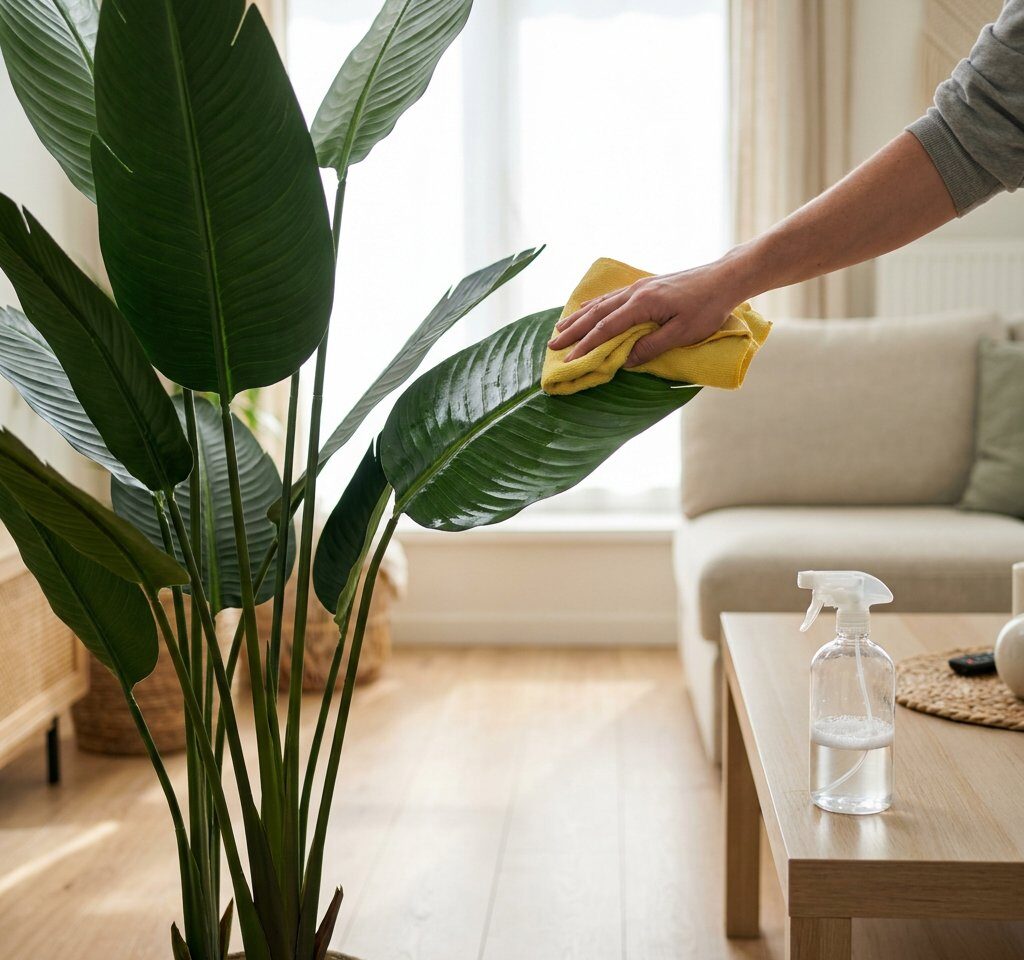
Clean artificial plants – tips for fresh faux greenery
|
Artificial plants are ideal when you want atmosphere and greenery without the upkeep of real plants. Even faux plants become dusty, dull, or greasy over time. Cleaning artificial plants is thankfully easy if you use the right method. With regular dusting and the occasional light clean, your artificial plants, artificial flowers, artificial hedge or green wall will stay fresh, realistic and rich in color. Want to top up or replace after cleaning? Then view our artificial plants collection.
Why cleaning artificial plants matters
An artificial plant doesn’t need water or feed, but it does attract dust. Especially in living rooms, offices, hospitality venues, shops, or spaces close to a window, dirt can slowly build up on leaves and stems. In the kitchen, greasy particles can be added, and in a veranda or sheltered outdoor area, pollen and fine debris.
If you clean your artificial plants regularly, they retain their color better and look much more realistic. You also prevent dust from settling, which would make cleaning more work later. With larger models such as an Areca, Kentia palm or Strelitzia you quickly see the difference between a tidy and a dusty plant. Do you place your faux greenery in a humid room? Also read artificial plants in the bathroom: tips for clean, mold-free leaves.
How do you clean fake plants?
How you clean fake plants mainly depends on how dirty they are. For routine care, dry cleaning is usually enough. If you see stains or a gray film, you can wipe the plant lightly with a damp cloth. The most important thing is to work gently and avoid aggressive cleaners.
For light dust: dry dusting
Most artificial plants stay neat if you dust them about once a month. Use a feather duster, a soft dry cloth, or a microfiber cloth. Work from top to bottom so dust doesn’t fall back onto already cleaned leaves.
- Use a feather duster for airy dust
- Use a microfiber cloth for leaves with more surface area
- Support branches and leaves with your hand on delicate models
- Don’t forget the undersides of the leaves
For stains or sticky grime: light damp cleaning
If there’s more than just dust, wipe the artificial plant with a slightly damp cloth. Use lukewarm water with a small drop of mild soap. Wring the cloth well—excess water isn’t necessary. Gently wipe leaves and stems clean and then dry everything with a clean cloth.
This is a safe method if you’re wondering how to clean plastic surfaces. Always choose mild and gentle. Abrasive pads, harsh cleaners or strong degreasers can damage the finish and color.
Supplies for cleaning artificial plants
You usually only need a few simple tools to clean artificial plants well.
- Feather duster or soft dusting cloth
- Dry microfiber cloth
- Lukewarm water
- A drop of mild soap or dishwashing liquid
- Clean dry cloth for drying afterwards
Step-by-step for cleaning artificial plants
- First remove loose dust with a feather duster or dry microfiber cloth.
- Check whether there are stains, grease, or caked-on dirt on the leaves.
- Make a solution of lukewarm water with a very small amount of mild soap.
- Wipe the leaves and stems with a slightly damp cloth.
- Dry the plant with a clean soft cloth.
- Put the plant back in place once everything is dry.
How do you clean artificial flowers?
You clean artificial flowers almost the same way as artificial plants, but often a bit more carefully. Petals and fine details can bend or crease more quickly. Always start with dry dusting. For more stubborn dirt, use a slightly damp cloth and dab rather than rub hard.
With artificial flowers, it’s especially important to use little water. Particularly with glued parts or delicate finishes, gentle cleaning is the best approach.
Cleaning large artificial plants, trees and hedges
Large artificial plants often catch more dust simply because they have more leaf surface. Think of a tall bamboo, a full philodendron or a large Livistona real touch. Take your time with big models and work systematically from top to bottom and from outside to inside.
You can first dust an artificial green wall or hedge with a feather duster or soft microfiber cloth. For heavier soiling, spot-clean with a slightly damp cloth. If the faux greenery is in a sheltered outdoor spot, dust, pollen and rain residue can become visible more quickly. Even then, gentle cleaning remains the best choice. Looking for suitable faux greenery for outdoors at the same time? Discover the best artificial plants for outdoors.
What not to do
Not every cleaning method is suitable for faux greenery. Some artificial plants contain different materials or have a finish you want to keep intact. Avoid these mistakes:
- Don’t use aggressive or abrasive cleaners
- Don’t scrub hard with rough sponges
- Don’t use large amounts of water
- Don’t use the dishwasher
- Don’t leave in direct sunlight unnecessarily long
Direct sunlight can cause discoloration over time. This applies especially to artificial plants close to a sunny window or in a sheltered outdoor spot. Want to know exactly what UV-resistant means and how to prevent fading? Read UV-resistant artificial plants: what is it?. For practical placement tips, see Artificial plants and sunlight.
How often should you dust artificial plants?
For most artificial plants, dusting once a month is sufficient. If they’re in a space where dust or grease builds up more quickly—such as an office, hospitality venue, shop, or kitchen—more frequent cleaning can be smart. Look mainly at the location and at what you see: as soon as leaves look dull, it’s time to freshen them up.
Frequently asked questions about cleaning artificial plants
How should I dust my artificial plant?
Use a feather duster, soft cloth, or dry microfiber cloth, and work from top to bottom. That way you remove dust quickly without spreading it back over the plant.
What can you use to clean plastic?
For artificial plants, lukewarm water with a small amount of mild soap is usually sufficient. Use a soft cloth and avoid harsh products, bleach, or scouring agents.
Can you wet-clean artificial plants?
Yes, but only slightly damp. Wet the cloth and wring it out well. The goal is to wipe, not soak. Always dry the plant afterwards.
How do you clean an artificial hedge?
Start by dusting with a feather duster or microfiber cloth. For stubborn dirt, spot-clean with a slightly damp cloth and mild soap.
Can you clean artificial plants outdoors?
Yes—especially if they’re in a sheltered outdoor area. Remove dust, pollen, and dirt gently. Don’t expose artificial plants unnecessarily to heavy rain or harsh direct sunlight if you want to keep them beautiful for longer, even if they’re UV-resistant artificial plants.
Keeping artificial plants looking good starts with regular care
Cleaning artificial plants doesn’t have to be complicated. With monthly dusting, occasional light damp cleaning, and avoiding aggressive products, they’ll stay beautiful for a long time. That way they keep their fresh look at home, in the office, or in professional spaces.
Looking for lifelike artificial plants for indoors or sheltered outdoors? At Eliassen you’ll find a wide range in the webshop and in the large showroom in Ammerzoden, including artificial hanging plants. As a family business we stand for personal service, quality, and sharp prices thanks to our own brand and direct import. This way you choose not only a beautiful artificial plant, but also advice you can really use.











Share on:
Share Tweet Share Share Pin it