



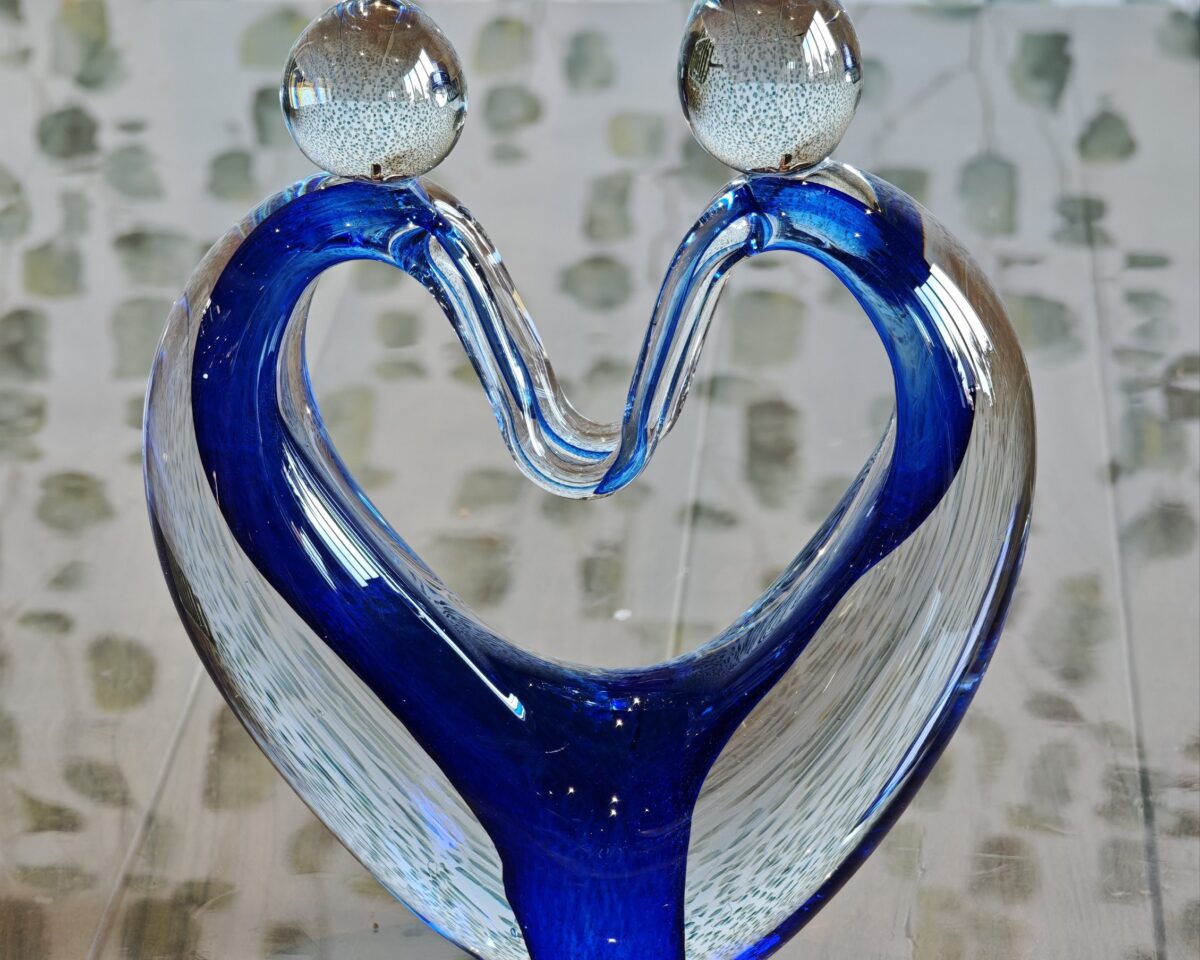
What is glass art? Definition, techniques and examples
|
Glass art is the art form in which glass is the main medium. The play of light, color and transparency makes each object vibrant and changeable throughout the day. Think mouth-blown vases, bowls, stylized flowers or animal figures formed with heat and then finished, as in handmade glass sculptures. In Europe, the craft was refined in glass regions such as Murano and Bohemia, where craftsmanship and experimentation go hand in hand. At Eliassen you will find handmade glass art by European glassblowers, each piece unique in shape and color, available online and on display in our large showroom in Ammerzoden. See the Glass Art overview for all styles and techniques.
What makes glass art special? Features, materials and color
You recognize glass art by the way material, light and space work together. Four core features stand out:
- Transparency and light play: glass captures, refracts and reflects light.
- Color depth and brilliance: layers and pigments create rich color transitions.
- Formability: from fluid organic forms to rigid geometry.
- Texture and finish: smooth polished, faceted or etched.
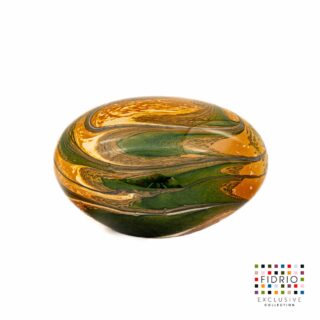
Much glass art is made of soda lime glass; for extra clarity and weight, makers use crystal or lead-free crystal, as you see at Crystal Glass Art Objects. Color is created by metal oxides and salts (such as cobalt for deep blue or copper for green), color powders and enamel paint. Colors can be added in the mass, built up in layers or applied as enamel and fired in the kiln. This creates depth, brilliance and character. Want to see modern, mouth-blown creations with distinct color combinations? Check out our Fidrio glass collection.
Main techniques and types of glass art
The technique determines the appearance and possibilities of a work of art. Common species are:
- Glass blowing: liquid glass is formed with a blowpipe, either freely in the hand or in a mold. Ideal for vases, bowls, flowers and stylized animals. Every detail in the wall thickness and any air bubbles makes each piece unique.
- Glass fusing and slumping: glass sheets and color fragments melt together in the furnace to form patterns; slumping causes the glass to sink into or over a mold for bowls, bowls and wall objects with soft lines.
- Casting and pâte de verre: glass is poured into a heat-resistant mold or built up as a powder in layers. Gives solid sculptures and fine texture detail with great depth.
- Lampwork or burner work: glass rods are shaped in the flame into smaller objects and ornate details. Think flower stems, jewelry or miniatures with precision.
- Cold machining: cutting, grinding, polishing, engraving and sandblasting refine shape, lines and light reflection after the hot process.
- Stained and stained glass: individual pieces of glass in stained profiles, possibly painted and stained in. Known from windows, but also applicable in panels and room dividers.
One particular layering technique is cameo glass, in which multiple layers of glass are built up and then selectively engraved or etched for high-contrast motifs and rich depth effects. Want to see examples? Check out the Cameo glass collection. Compact objects such as glass paperweights display forms and techniques on a small scale.
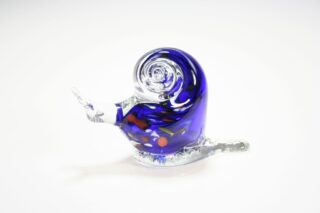
At Eliassen you will see these techniques reflected in mouth-blown vases and bowls, colorful flowers and characterful animal figures, with influences from Murano and Bohemia. For glass art on the wall, you can also find Glass paintings and panels in various styles.
Glass art in your interior: quick choices that work
- Choose contrast: put a colorful piece in front of a quiet background or in a niche with spotlight to enhance the play of light.
- Think about light: daylight gives soft nuances; with a directional spotlight you create evening glow and shadow lines. Also consider artful glass lamps for an atmospheric interplay of form and light.
- Combine materials: glass with bronze or a metal 3D painting creates tension contrast between light and mass.
Looking for thematic inspiration? Be guided by nature and animal motifs, or group multiple objects in related colors for a powerful whole.
Need advice? In our large store in Ammerzoden, see everything live, with free parking and personal advice. Order online and you will benefit from fast delivery in the Netherlands and Belgium, 1 year warranty, post-payment and competitive prices thanks to own import and own brand.
Frequently Asked Questions
What is the definition of glass art?
Glass art is any form of visual art in which glass is the main material. It can be hot formed or cold worked into objects that play with light, color and transparency, ranging from functional vases and bowls to autonomous sculptures and panels.
What types of glass art are there?
Major types include glass blowing, glass fusing and slumping, casting and pâte de verre, lampwork, cold working and stained or stained glass. Each process has its own look, from flowing shapes and layers of color to tight planes, facets and etched details.
Is glass art an expensive hobby?
For makers, kilns and tools can increase the entry level, although you can start small with workshops or lampwork. For buyers, prices vary: handmade European work ranges from affordable to high-end. Eliassen offers quality pieces at competitive prices through its own imports.
What are the four most important properties of glass art?
Transparency and refraction of light, depth of color and brilliance, malleability of the material and variation in texture and finish. Together they create dynamics: the same object looks different in daylight, artificial light and from every viewing angle.
See what glass does with light? You are welcome in Ammerzoden to view our collection of glass art from Murano and Bohemia, or order directly through eliassen.nl with fast delivery in the Netherlands and Belgium.
Share on:
Share Tweet Share Share Pin it